Stirring Up Harmony: The Art of Collaborative Kitchen Sessions

Published on 04/20/2026
ADVERTISEMENT

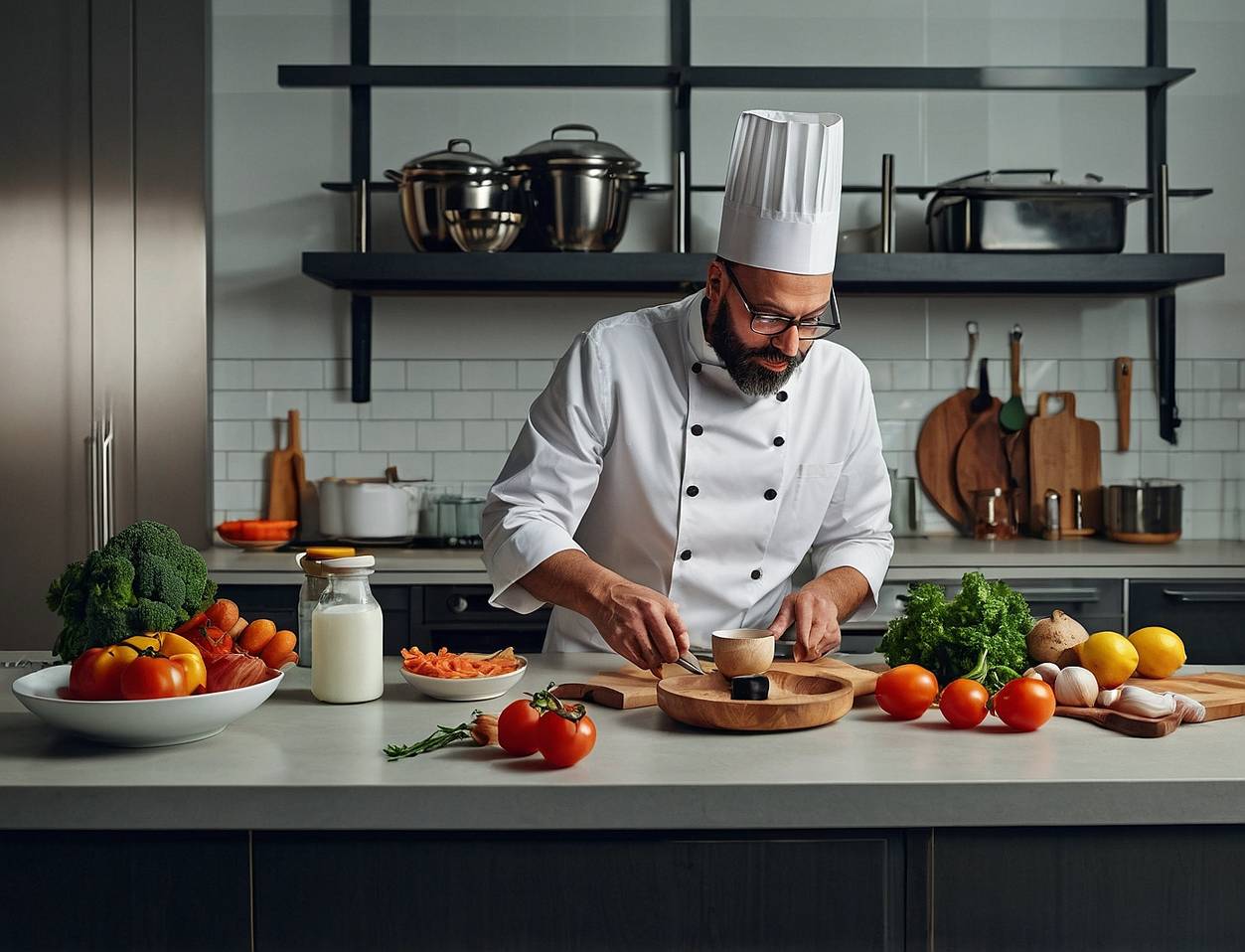
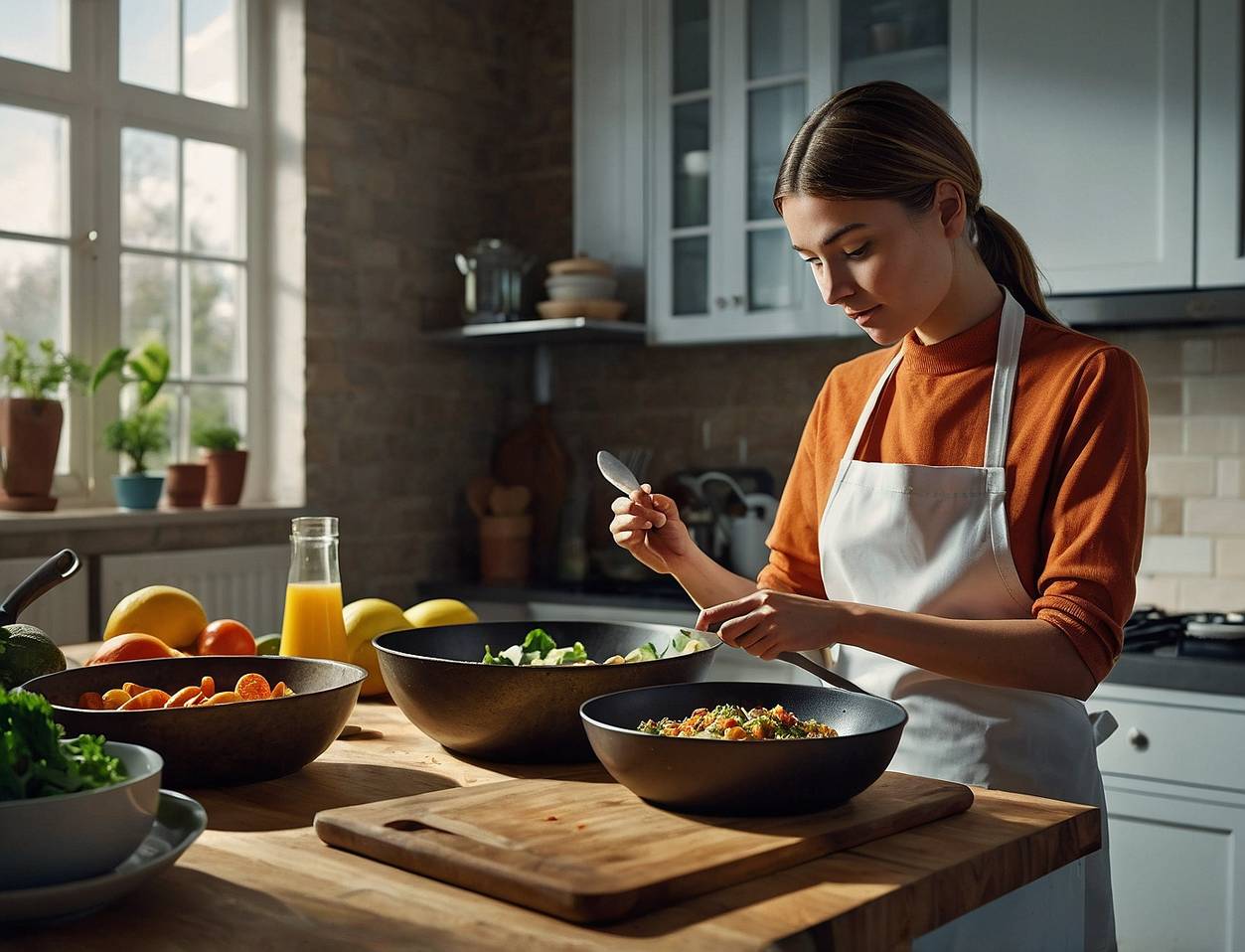
Cooking as a team can be an enriching and fun activity, fostering camaraderie while encouraging everyone’s creative energy. Whether you are preparing a family feast, participating in a team-building exercise, or hosting a friendly cook-off, collaborative cooking brings a touch of variety and innovation to the kitchen. However, multiple hands in the pot can sometimes lead to chaos rather than harmony, making it essential to streamline the process for an enjoyable and efficient experience. A key strategy for simplifying cooking in teams is establishing clear communication and roles before diving into the culinary process. This entails discussing the menu and deciding who will be responsible for which tasks. For example, splitting the kitchen duties by complexity and personal strengths can enhance cohesiveness. Suppose an individual is particularly adept with desserts or sauces—they can take charge of those segments while others concentrate on main dishes or appetizers. Encouraging open communication ensures no one feels overwhelmed, and responsibilities are shared fairly. Taking the time for a pre-cooking chat helps prevent misconceptions and fosters understanding, ultimately creating a more organized and enjoyable cooking environment.

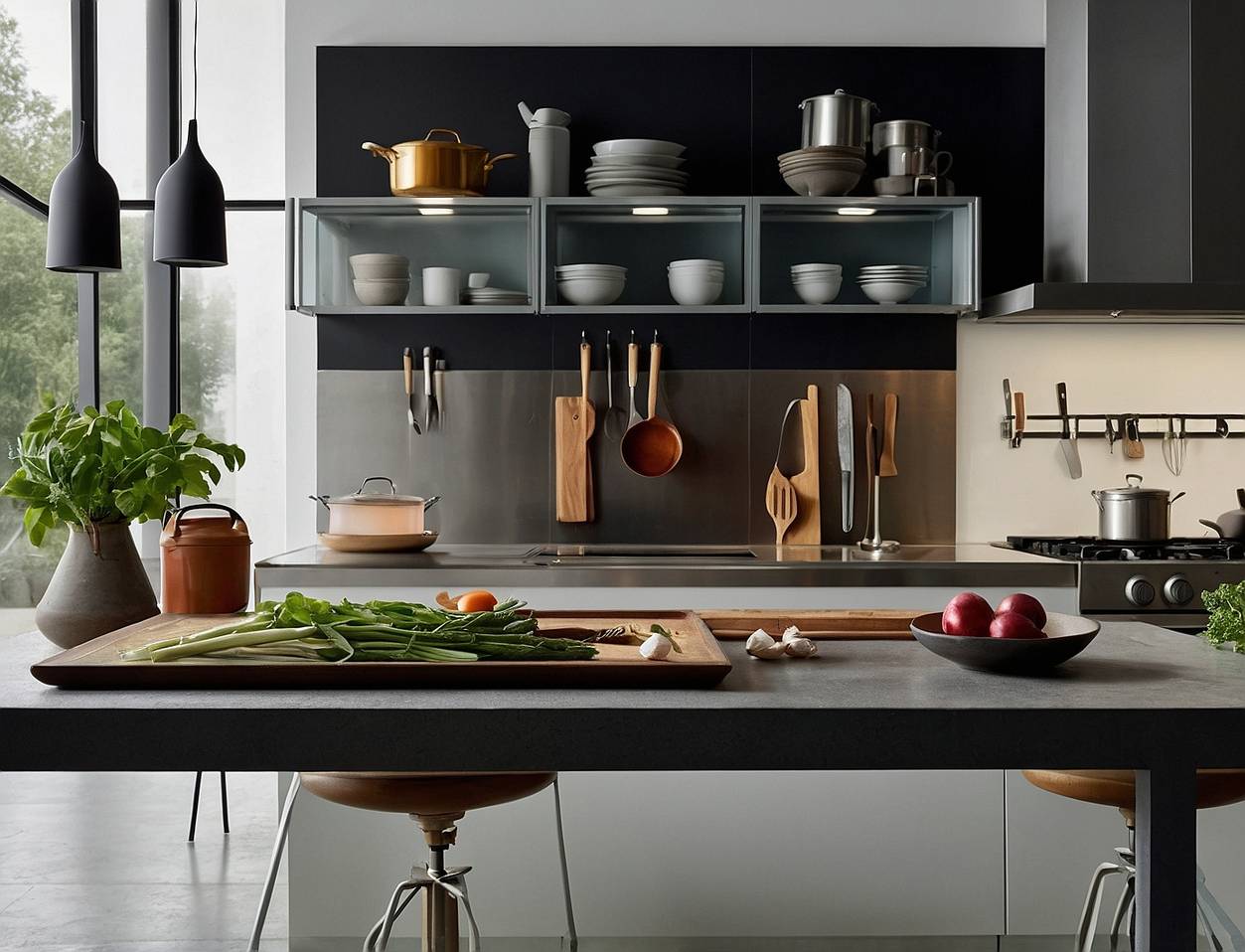
Though potential for chaos exists, innovative planning can act as a lubricant for teamwork, preventing proverbial gears from grinding. Structuring the workspace is significantly impactful; the concept of mise en place—a French term meaning “everything in its place”—is especially valuable here. By preparing ingredients beforehand and organizing cooking tools, chopping boards, and cookware according to the day’s menu, teams set themselves up for a fluid sequence of actions. Similar to professional kitchens, labeling ingredients and sections can help individuals instinctively locate and utilize materials promptly, resulting in fewer blunders and clutter accumulation over time. Alongside organization, another tactic is enhancing the kitchen’s traffic flow. Ensuring that there is a clear path between work areas minimizes accidental bumps and collisions. Consider the contrasting roles, such as assign one person to constantly manage cleanup or run to fetch missing ingredients, which supports an uninterrupted engagement from the primary cookers. Imagining the motion of a smoothly operating assembly line might evoke new methods for individuals to operate seamlessly in the restricted confines of a kitchen.

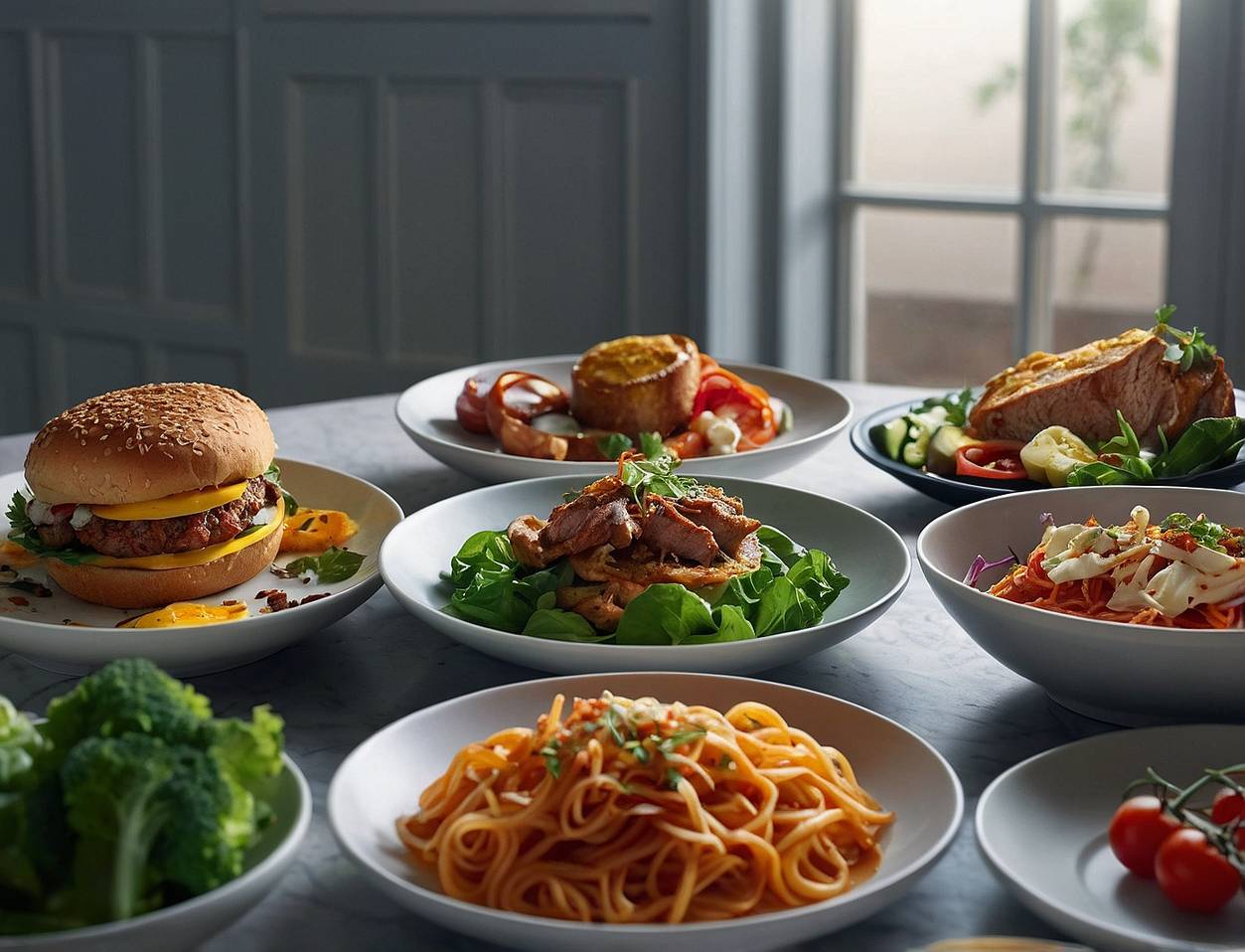
Ultimately, cooking together is about the joyous fusion of skills, laughs, and stories that accompany meal preparation and consumption. Besides systematic coordination of roles and responsibilities, it is vital that team cooking also remains spontaneous and imbued with joy. Incorporate games or prompts into your sessions to promote a lively atmosphere, like challenging a member to come up with new chopping styles or compete to see who can make the tastiest salsa. These engaging elements and friendly challenges relieve any tense energy, leading individuals to work better as a cohesive whole. It’s pivotal to value and embrace the mishaps and imperfections that arise within these playful settings, transforming them into shared learning experiences. Music’s universal influence can also inject vibrancy, filling the kitchen with melodies and rhythms that motivate and even inspire quirky culinary dances, tightening the bonds among those gathered. Despite occasional hiccups, relishing in mutual accomplishments reminds people why teamwork matters. When the delicious dishes are completed, celebrate with everyone gathered around the table to dine together, pass the plates, and recount the epic kitchen adventures experienced.

ADVERTISEMENT